
Pet insurance • Evidence-led decisions

Read pet insurance reviews through a Texas lens

A review is a lead to investigate, not a substitute for the contract offered in your state.

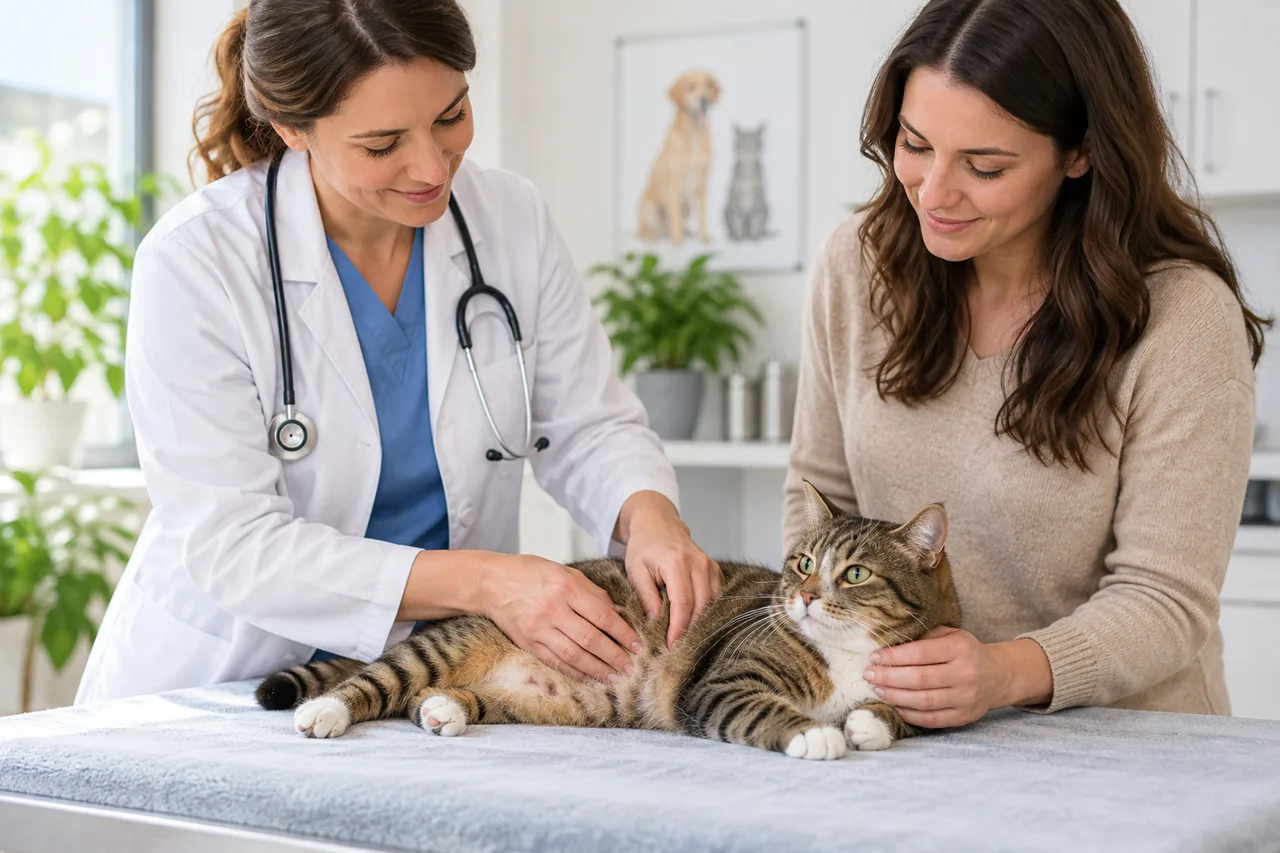
Veterinarian examining a cat while its owner looks on
✓ Policy-first ✓ Independent ✓ Useful checks
Direct answer
Useful Texas pet-insurance reviews identify the product, the claim issue and enough context to connect the experience to a Texas offer. A national star average cannot establish Texas claim eligibility. Use reviews to generate questions, then check the actual Texas policy and official complaint information. This guide has not collected or scored a representative set of customer reviews.
What to know

Keep the review’s jurisdiction and subject visible

Start with four labels: the reviewer’s state, the insurance product, the point in the customer journey and the date of the experience. A five-star purchase review says little about a later reimbursement dispute. A complaint about a human-health product or a company’s mobile app is not automatically evidence about its pet claims.

If the location or product is missing, keep that uncertainty in the note. Do not silently treat an American review as a Texas review. A detailed account from another state can still suggest a useful question, but it cannot confirm the wording of your Texas offer.

The FTC advises checking more than one review source and considering incentives and suspicious timing. Appearance alone cannot reliably prove whether a review is authentic. Avoid accusing an individual reviewer of deception simply because the account is unusually positive or negative.

What to know

A real Texas difference shows why this matters

A national review saying the owner submitted a claim after four months therefore should not become a Texas filing instruction. Verify the deadline in the issued Texas policy and submit promptly rather than waiting until the limit.

It also shows why a review can be sincere yet unhelpful for a different contract. When a story and the policy seem inconsistent, identify the missing dates, product version or state before drawing a conclusion.

What to know

Translate three review themes into document checks

Review theme Question to investigate Evidence that helps
“They called it pre-existing” Which prior sign or record did the insurer cite, and how does the policy define the exclusion? The decision letter, relevant clinical timeline and exact clause.
“They paid less than the percentage advertised” Which charges were eligible, how was the deductible applied, and did a limit intervene? An itemized invoice and settlement calculation.
“It took too long” Was the file complete, when were records requested, and which step remained open? A dated submission and correspondence timeline.

These examples are hypothetical themes, not allegations about a named company. They keep the inquiry focused on something that can be checked. A reviewer may not publish private medical or policy records, so an unanswered question is an evidence limit, not proof the complaint is wrong.

What to know

Use complaint data without manufacturing a league table

TDI provides official complaint-data resources. Match the legal insurance company identified in your offer, the relevant business category and the reporting scope before making comparisons. A raw count can reflect the size of the insurer or mixed products; it is not a pet-policy satisfaction percentage.

This guide does not claim one Texas company has fewer valid pet complaints than another. No comparable pet-only denominator or ranked dataset was analyzed. If you investigate a repeated issue, keep the official data separate from online anecdotes and ask the insurer a precise question about the policy or process.

Finish your shortlist with two kinds of notes: confirmed terms and unresolved service questions. Give the review evidence only the weight its context supports. A plan that fails an essential coverage requirement should not win merely because the purchase process has cheerful reviews.

Evidence

Sources and policy context

These public references support the consumer or veterinary context. Named insurer details were checked in official product materials; the policy offered for your pet and state determines the actual terms.

Next step

Compare Current Pet Insurance Rates

Check current options for your pet and location, then compare the policy details, exclusions, costs, and eligibility before choosing.

Compare the policy before you choose Check the actual offer, exclusions and out-of-pocket terms.
See Rate Options